
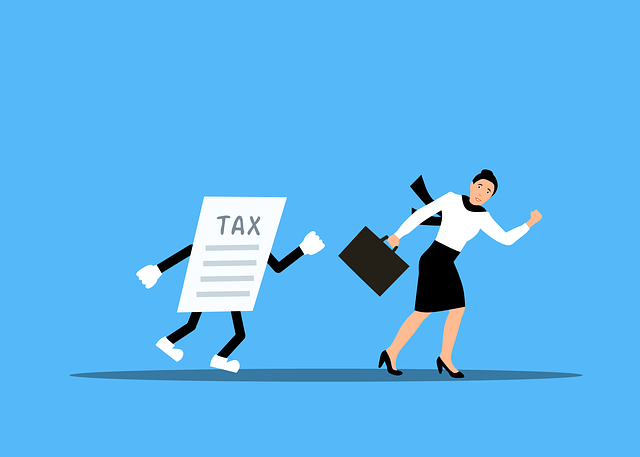
There’s an ongoing issue with how Class 2 NICs (National Insurance Contributions) are being calculated for self-employed people. HMRC hasn’t found a solution yet.
The Association of Taxation Technicians (ATT) says they’ve been hearing from lots of their members about problems cropping up for the tax year 2024-25. Some self-assessment taxpayers are seeing Class 2 NIC charges appear on their accounts in error.
HMRC is aware of the issue and says it’s working hard to resolve it. It has apologised to everyone caught up in this situation and is treating it as urgent.
What’s causing the problem?
From the 2024/25 tax year, if you’re self-employed and have profits above £6,725, you automatically get a credit for Class 2 NICs and don’t need to pay them. Anyone with profits below this level can opt to pay Class 2 voluntarily.
Despite this, some people who shouldn’t have to pay Class 2 (and aren’t volunteering to do so), are receiving one of three confusing letters from HMRC:
 Letter 1: Says the Class 2 NIC has been changed to zero, matching the original return. So, no action needed, but the letter itself seems pointless.
- Letter 2: Says a Class 2 charge of £179.40 has been added by mistake and now needs to be removed.
- Letter 3: The same Class 2 charge of £179.40 has been added to the computation in error, and the tax liability has been increased by double this amount.
Receiving one of these letters is confusing and/or worrying.
It’s important to remember that while paying Class 2 NIC is now mostly voluntary, it’s still important as it impacts entitlement for the state pension. The Low Incomes Tax Reform Group (LITRG) points out that if you haven’t paid enough Class 1 NICs, you might want to pay Class 2 voluntarily so the year counts towards your pension. ‘You’ll need at least ten qualifying years on your National Insurance record to get any state pension,’ adds Felicity Reader, Accounts Senior at re:accounts Chartered Accountants in Stevenage. ‘You usually need 35 qualifying years for the full amount, although this can vary.’
 To summarise:
If you’re self-employed and get one of these letters from HMRC, double-check your account. If something doesn’t look right, reach out to HMRC or your tax adviser. Fingers crossed this is resolved soon!