

Using a private vehicle for business entitles you and or your employees to claim mileage allowance to cover expenses. HMRC’s current mileage allowance rates are: 45p per mile for the first 10,000 miles, and 25p per mile after that for business-related driving. (For motorcycles, the rate is 24p per mile, and for cycles 20p per mile.) This is the only tax-free way of reimbursing employees for using their own car for business journeys.
Here’s a sobering fact: the 45p per mile rate has been in place since 2011.
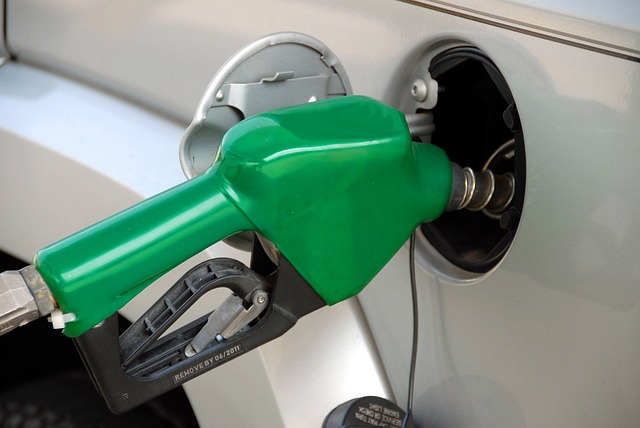
In 2011, the average cost of petrol was 133.65p per litre and diesel was 138.94p. In August 2022, the average cost of petrol was 173.46p per litre for petrol (30% increase) and 184.21p per litre for diesel (33% increase).
The stark reality is that the cost of driving your private vehicle for work reasons is not covered by the current mileage allowance. With this in mind, some employers are tempted to pay employees above the approved mileage allowance. Whilst this is a generous intention, there is an impact upon tax that must be considered.
HMRC’s Approved Mileage Allowance Payments (AMAPs) are the only way of reimbursing employees and business owners, tax free. Paying more than the allowed rates has the following implications:
- Class 1 National Insurance contributions (NIC) are due on any payment over 45p per mile up to 10,000 miles.
- Therefore, up to 45p per mile could be paid for say 20,000 business miles but the excess over the tax thresholds would be chargeable to income tax, but not NIC.
- Payments above the AMAP’s rate must be reported on P11d forms for income tax purposes (unless you are payrolling your benefits under RTI).
“Whilst the AMAPs may appear low compared with current fuel prices, no specific cost calculations or bespoke agreements are permitted by HMRC,” explains Felicity Reader, Accounts Senior at re:accounts Chartered Accountants in Stevenage. “It’s important to note that employees can claim income tax relief under the mileage relief rules if they are reimbursed under the AMAP limits.”
Does this affect the mileage payments you claim, or offer your employees?
Talk to the friendly experts at re:accounts. Explore the options and choose the best action for your employees and your business. We love helping you to save money!


