
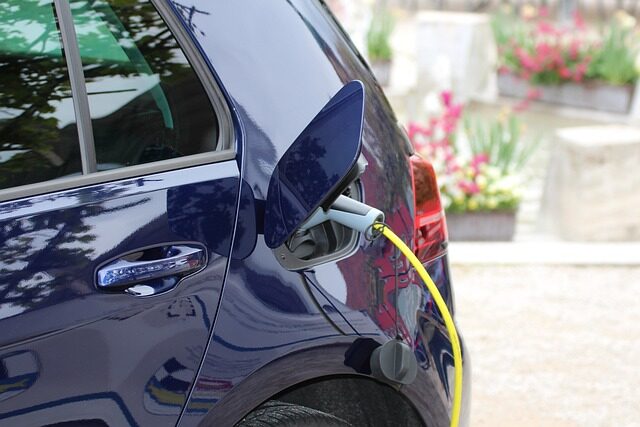
The tax implication of charging company electric vehicles (EV) at home has changed. The revised guidance applies to the cost of charging company-owned electric cars and vans at residential properties.
Previously, if the EV was also available for private use, the reimbursed charging cost was taxable as earnings. Now, costs are treated as a tax-free benefit. For the new guidance to apply, the EV must:
- be 100% electric,
- wholly owned by the company, and
- be charged at a residential property.
The reimbursement of EV charging costs is now covered by section 239 of the Income Tax (Earnings and Pensions) Act 2003. This legislation provides a tax exemption on payments and benefits provided in connection with company cars and vans. Examples of other costs treated as tax-free benefits by this legislation are vehicle repairs, insurance and road tax.
Employers must ensure that any electricity cost reimbursement relates solely to the charging of a company EV. For example, this can be achieved via smart phone apps that link to EV chargers.
Comparison site GoCompare, has an interactive ‘cost of charging‘ calculator tool to help individuals understand the real costs and benefits involved.
HMRC confirmed: ‘Following a review of our position, HMRC now accepts reimbursing part of a domestic energy bill, which is used to charge a company car or van, will fall within the exemption provided by section 239 ITEPA 2003.’
‘This legislation also applies to the cost of installing a charging point for a company EV at an employee’s home,’ says Emily Bridges of re:accounts Chartered Accountants in Stevenage. ‘If the EV is owned by the employee, the charger installation costs are treated as a taxable benefit.’
The updated treatment of EV charging at homes applies from September 2023.


